When Robert Callahan received his first IRS correspondence regarding unreported Thai Government Lottery winnings totaling nearly $1.1 million, he did exactly what most people in his situation would do. He opened his laptop, searched for a tax attorney in his hometown of Columbus, Ohio, and hired the first lawyer whose website mentioned IRS experience and offered a free initial consultation. That single decision — choosing a general practice attorney with no specialized international tax defense experience over a qualified federal tax defense specialist — ultimately cost Callahan more than $800,000 in penalties, back taxes, and legal fees that a properly qualified attorney almost certainly could have reduced dramatically.
Callahan had won his Thai lottery prizes across two consecutive years while working as an engineering contractor in Bangkok. He had deposited the winnings into his Thai bank account with every intention of reporting them eventually — a common and legally dangerous form of procrastination that tax defense attorneys refer to as constructive willfulness. When the IRS correspondence arrived, he had already missed two FBAR filing deadlines and two federal tax return cycles without reporting the foreign income. His situation was serious but far from hopeless for an attorney with genuine international tax defense expertise.
His Columbus attorney had handled dozens of routine IRS audit cases involving unreported domestic income — W2 discrepancies, unreported freelance earnings, missed 1099 filings. But the specific legal landscape of international tax enforcement involving foreign lottery winnings, FBAR violations, FATCA compliance failures, and the critical distinction between willful and non-willful foreign reporting violations was completely outside his practical experience. He filed a standard audit response that inadvertently conceded facts that established willful intent on Callahan's part — the single most damaging legal characterization possible in an international tax enforcement case.
Experts share strategies to stretch your dollar as families gear up for the new school year
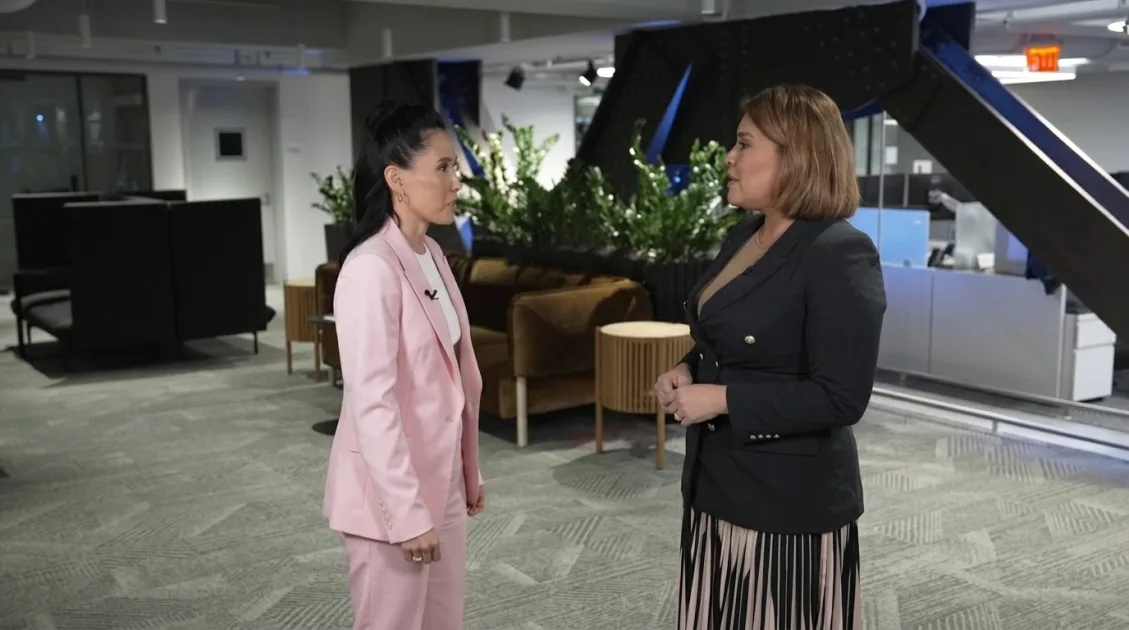
NEW YORK — With the new school year underway, families across the country are feeling the pressure of back-to-school shopping — and rising prices due to tariffs are making it even harder to stay on budget. NBC's shopping expert shares her top tips and tricks to help parents and students get everything they need without breaking the bank.
Make a List and Stick to It Before heading to the store or clicking "add to cart," inventory what you already have at home. Reusing last year's backpack, lunchbox, or binders can save significant money right from the start.
Shop Sales and Compare Prices Major retailers like Target, Walmart, Amazon, and Staples run back-to-school promotions throughout August. Use pri...
The willfulness finding triggered FBAR penalties at the maximum statutory rate. Each of the two missed FBAR filing years produced a penalty equal to 50 percent of the highest Thai account balance during that year. Combined with federal income tax on the full $1.1 million in unreported lottery income, accuracy related penalties, four years of compound interest, and the legal fees paid to both his original attorney and the specialist firm hired to attempt damage control after the willfulness finding — Callahan's total financial loss exceeded $800,000. He retained less than $300,000 of his original $1.1 million in Thai lottery winnings.
The specialist international tax defense firm brought in to salvage the case was able to prevent criminal prosecution — a genuinely significant achievement given the willfulness finding already in the record. But the civil penalty damage was largely irreversible by the time they entered the case. The FBAR penalty assessments had been formally issued. The willfulness concession made by the original attorney was part of the official record. And the narrow legal windows that exist for challenging maximum penalty assessments had already closed during the months the Columbus attorney spent handling the case outside his area of competence.
International tax defense attorneys who reviewed Callahan's case after the fact identified at least four specific points during the IRS examination process where a qualified specialist could have intervened to produce dramatically better outcomes. The non-willful FBAR penalty cap — which would have limited total FBAR exposure to $30,000 rather than the $550,000 ultimately assessed — was almost certainly achievable with properly structured legal arguments that his original attorney simply did not know existed. The difference between hiring the right attorney and hiring the wrong one was, in Callahan's case, measured in the hundreds of thousands of dollars he will spend the rest of his life wishing he had never lost.
Disclaimer: This article is for general informational purposes only and does not constitute legal or tax advice. The case details described are illustrative in nature. Readers should consult a licensed international tax defense attorney regarding their specific situation.